China weighs tighter export controls on AI models and chips, FT reports
Published
Chinese regulators are considering tighter export controls on advanced artificial intelligence models and semiconductor technologies, according to a r...
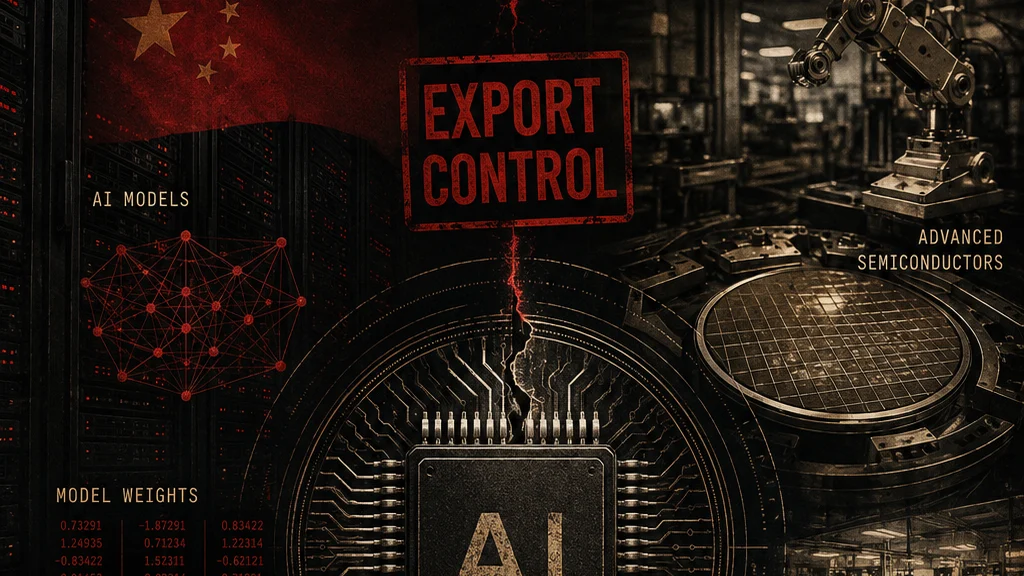
Chinese regulators are considering tighter export controls on advanced artificial intelligence models and semiconductor technologies, according to a report by the Financial Times. The proposals remain under review, and no final policy has been announced.
What Beijing is considering
China’s Ministry of Commerce has reportedly consulted major domestic technology companies, including Alibaba, ByteDance and Zhipu, about limiting the overseas transfer of key model-training data and restricting whether foreign users can download the weights of China’s most capable AI systems.
Possible controls on chip production
The discussions also cover potential limits on overseas manufacturers producing advanced semiconductors based on designs developed by Chinese companies. Qualcomm and TSMC were among the foreign chipmakers named in the report, while Huawei, Alibaba and ByteDance were cited as examples of Chinese groups whose designs could be affected.
How the rules could work
The measures could be added to the next revision of China’s catalogue of technologies prohibited or restricted from export. Regulators are also said to be examining controls on foreign acquisitions of strategic Chinese technology, including companies working on agentic AI.
No final decision yet
The proposals are still being evaluated, and authorities are gathering feedback from the technology industry before deciding whether to proceed. Reuters said it could not independently verify the report, and the companies and government bodies contacted for comment did not immediately respond.
Practical significance
If adopted, the rules could reduce international access to Chinese model weights, training assets and advanced chip designs. They would also mark a shift from China primarily responding to foreign technology controls toward protecting its own AI systems as strategic national assets.
The original report was published by the Financial Times .
Source: Financial Times